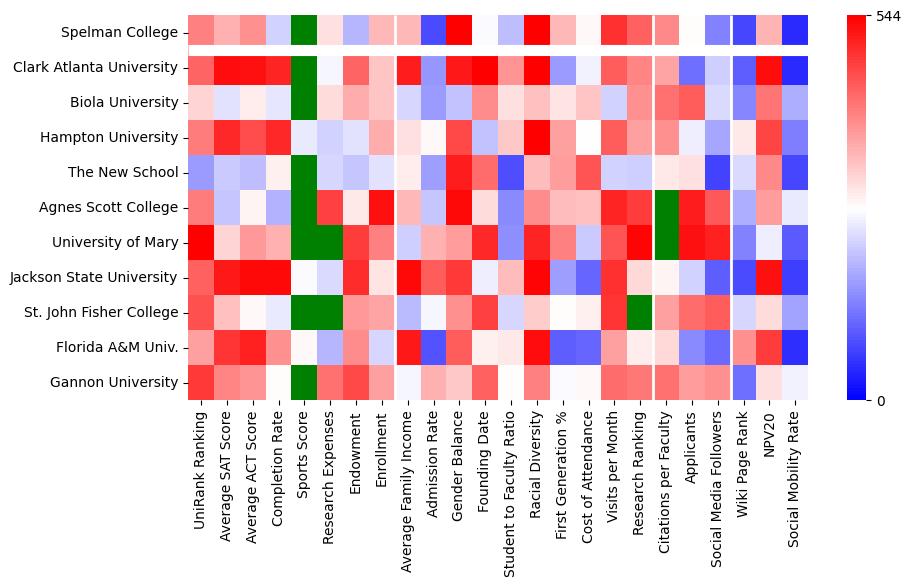
Spelman College, founded in 1881, is a historically Black liberal arts college for women located in Atlanta, Georgia. It began as the Atlanta Baptist Female Seminary and became Spelman College in 1924, named after Laura Spelman Rockefeller, the wife of philanthropist John D. Rockefeller. Spelman is part of the Atlanta University Center Consortium, the largest contiguous consortium of African American higher education institutions in the United States, providing its students with a rich historical context and shared resources.
What makes Spelman College special is its commitment to empowering women of African descent through a holistic education that emphasizes leadership, social justice, and innovation. The college has consistently been recognized for its role in producing strong female leaders across various fields. Spelman boasts a vibrant campus life enriched by diverse student organizations, cultural events, and a strong sense of community that fosters personal and professional growth. The college's focus on civic engagement and service learning ensures that students graduate not only with academic knowledge but also with a deep sense of responsibility toward their communities.
Academically, Spelman College stands out with rigorous programs and a low student-to-faculty ratio of 10:1, which fosters personalized learning and mentorship opportunities. It is particularly renowned for its programs in the sciences, social sciences, and arts. Spelman's STEM programs are among the best, with a strong emphasis on research and innovation, preparing students for graduate studies and careers in fields where African American women are traditionally underrepresented. The college is also noted for its strong performance in producing Fulbright Scholars and its high medical school acceptance rates.
Despite its many strengths, Spelman College faces some challenges, particularly related to financial resources and infrastructure. Like many small liberal arts colleges, Spelman relies heavily on tuition and donations, which can limit its ability to expand facilities and offer more financial aid to a larger number of students. Additionally, the competitive nature of admissions means that some qualified applicants may not gain entry due to limited enrollment capacity. However, the college continues to address these issues by seeking innovative funding solutions and strategic partnerships to enhance its offerings and accessibility.